
Transparency in Every Report
Sample Inspection Reports
See exactly what you get — real photos, structured findings, and clear recommendations from actual Moore Marine inspections.
Know Before You Buy
A marine engine inspection is only as good as the report behind it. Every Moore Marine report is photo-documented, systematically organized, and written in plain language — so you can make a confident decision whether you're buying, selling, or maintaining a vessel.
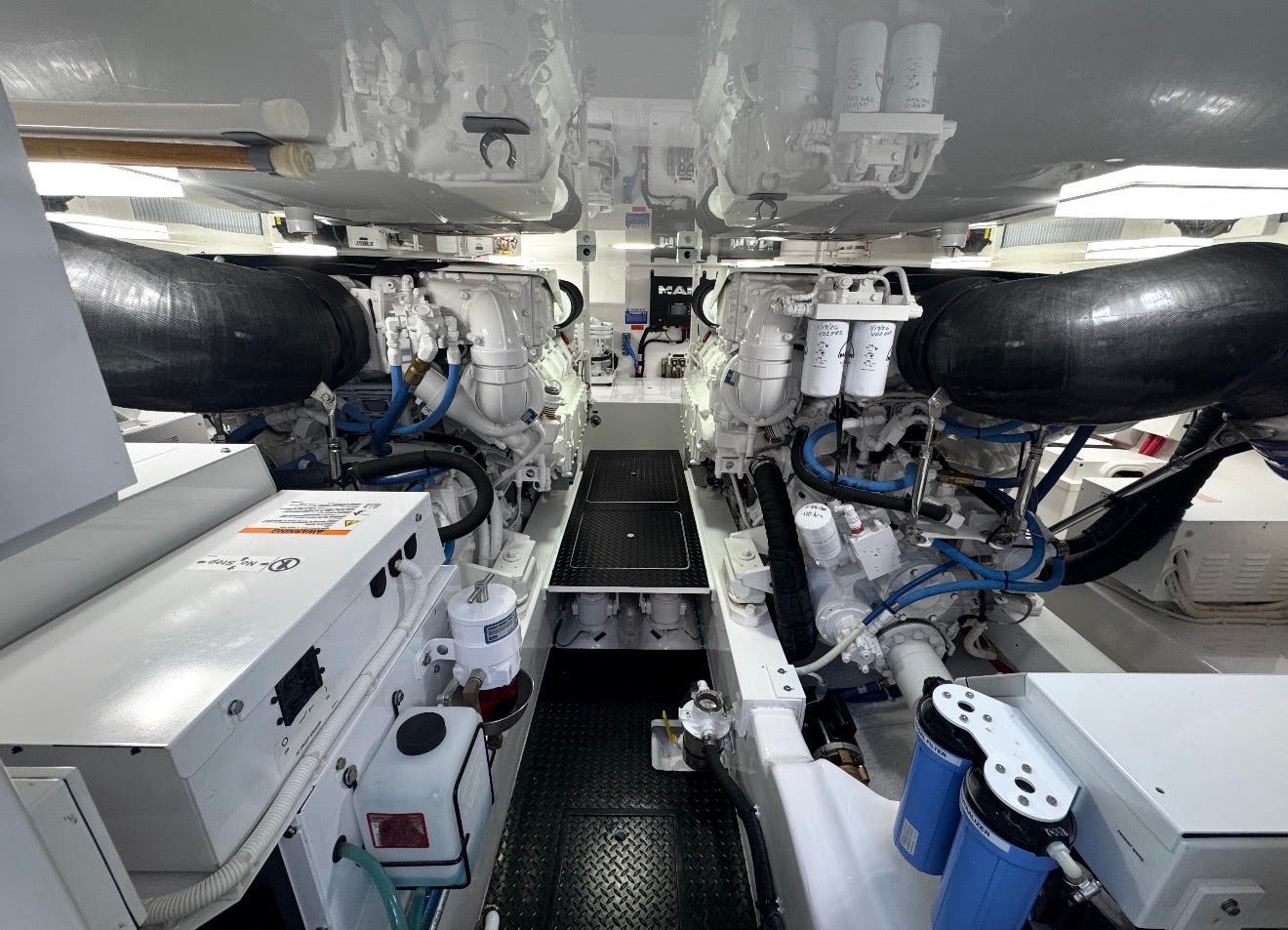
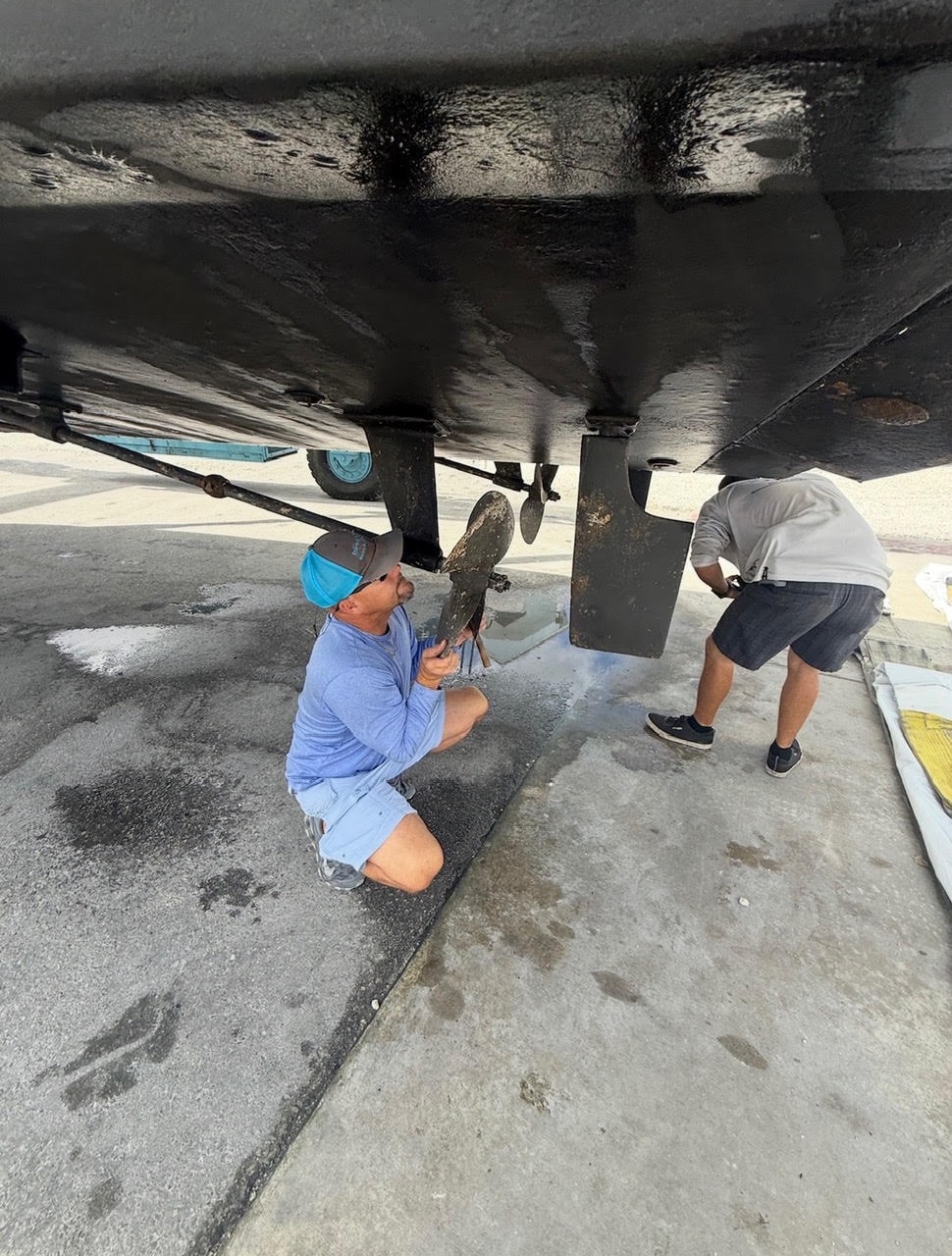
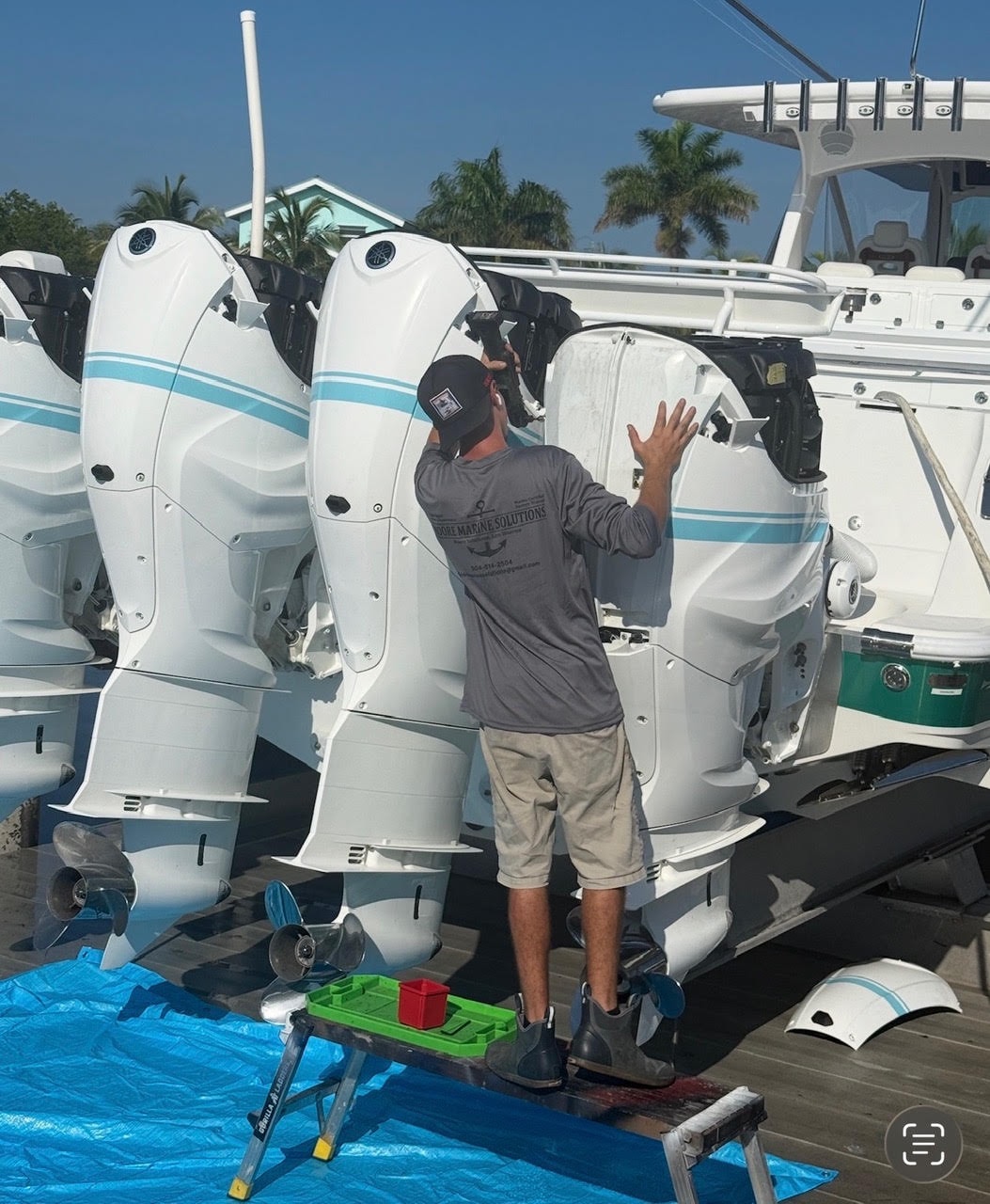
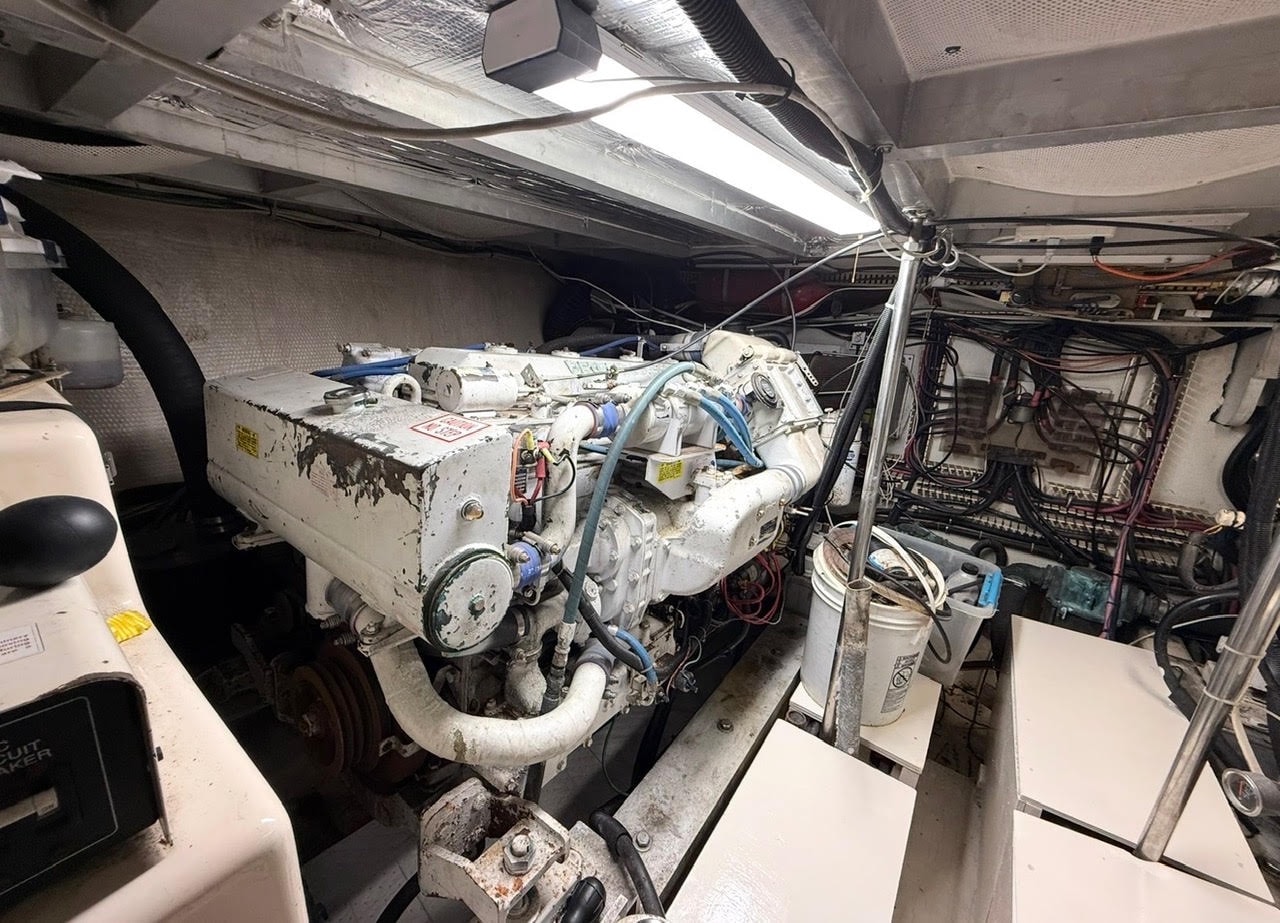
Inspection Photos
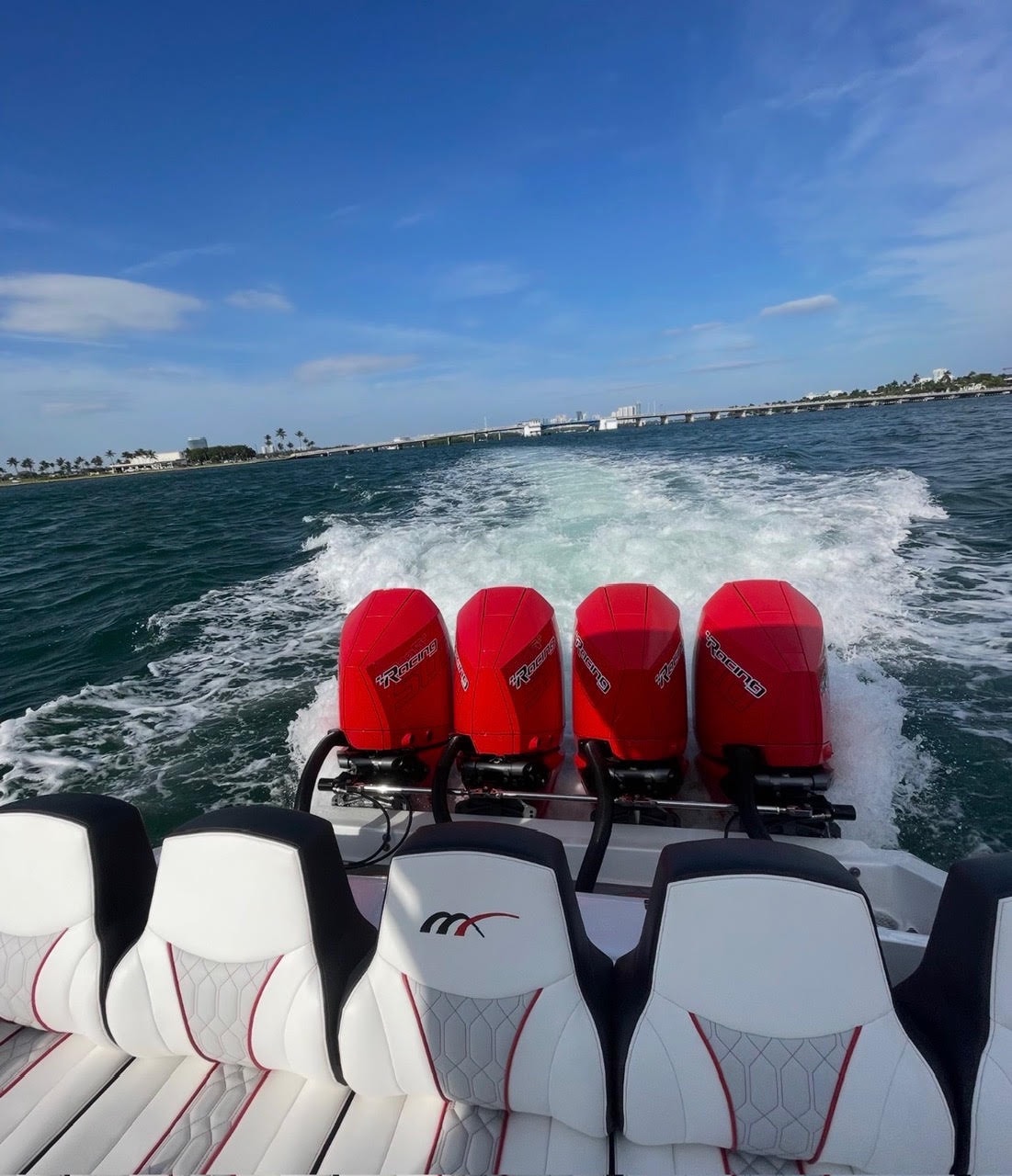
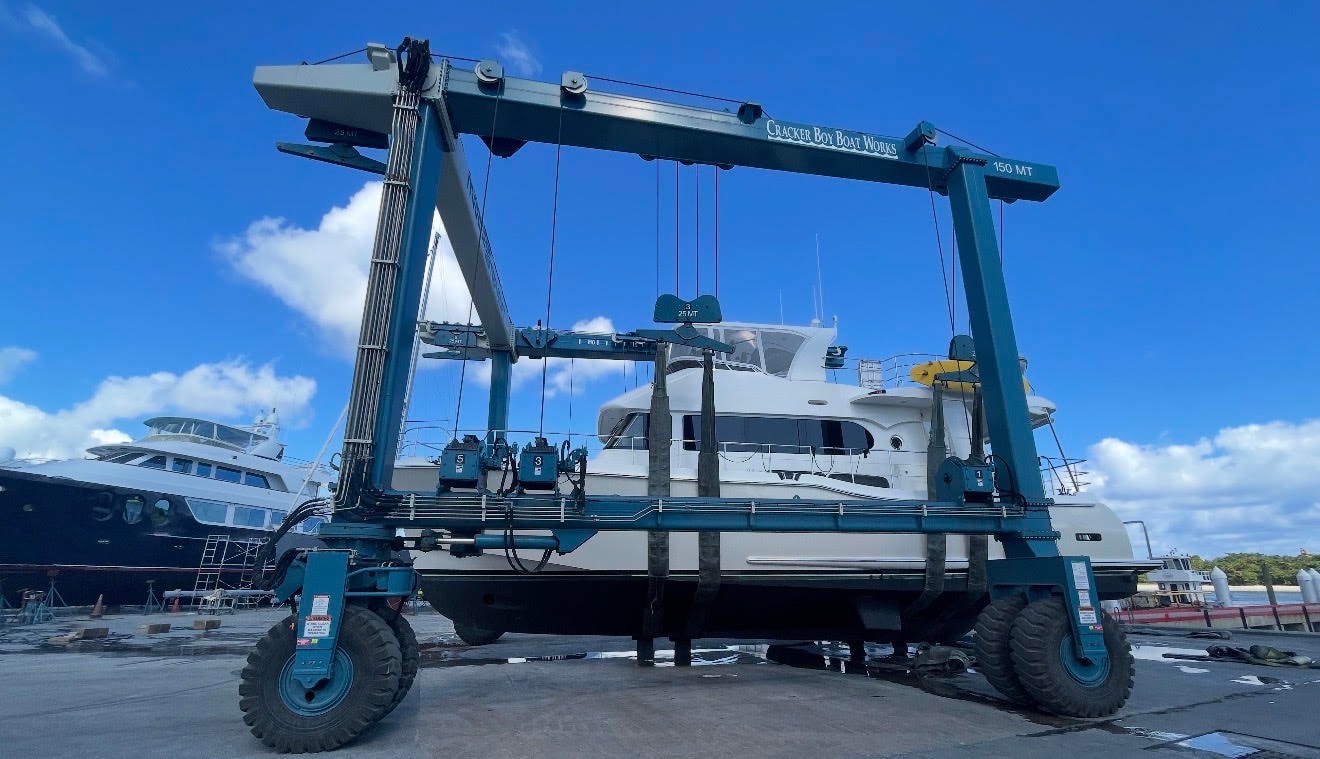
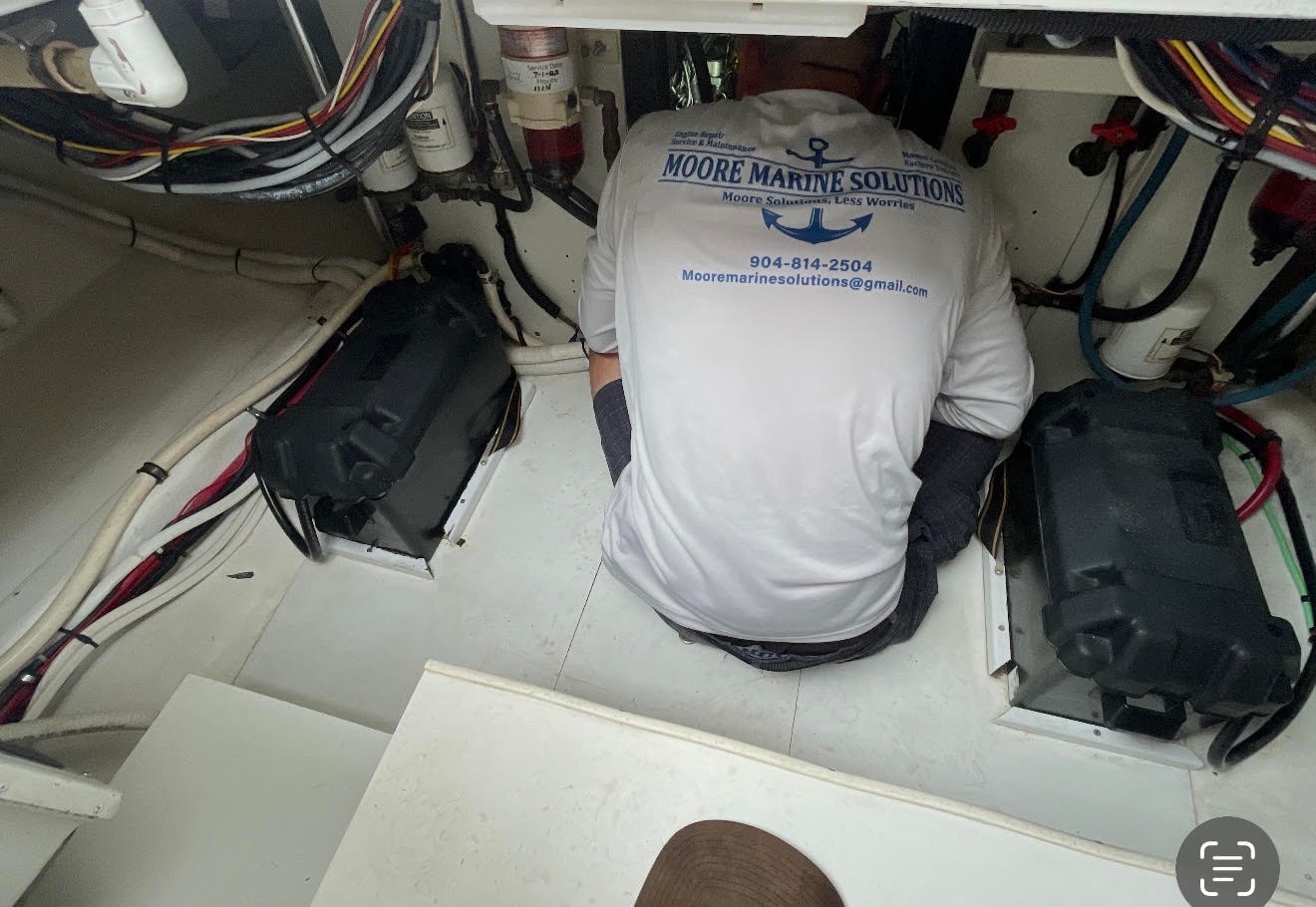
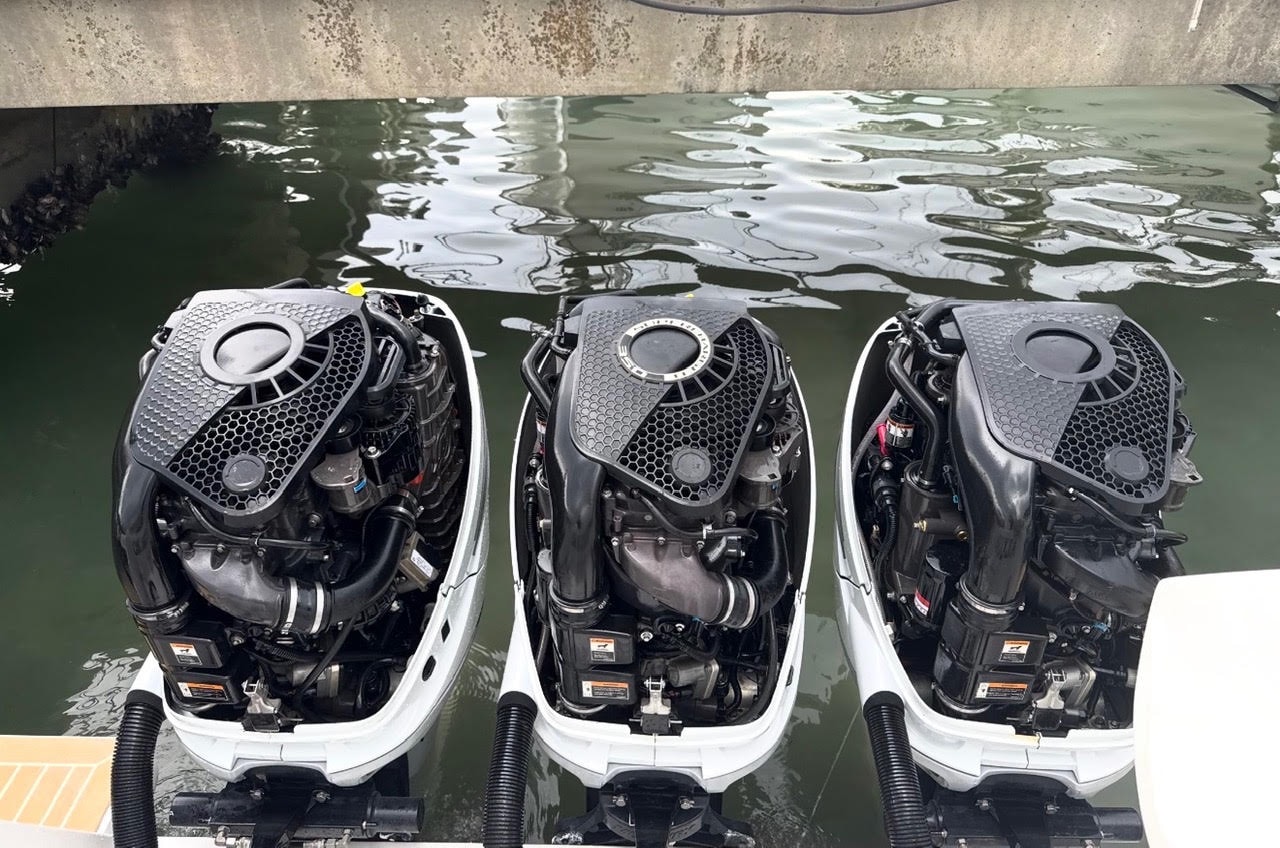
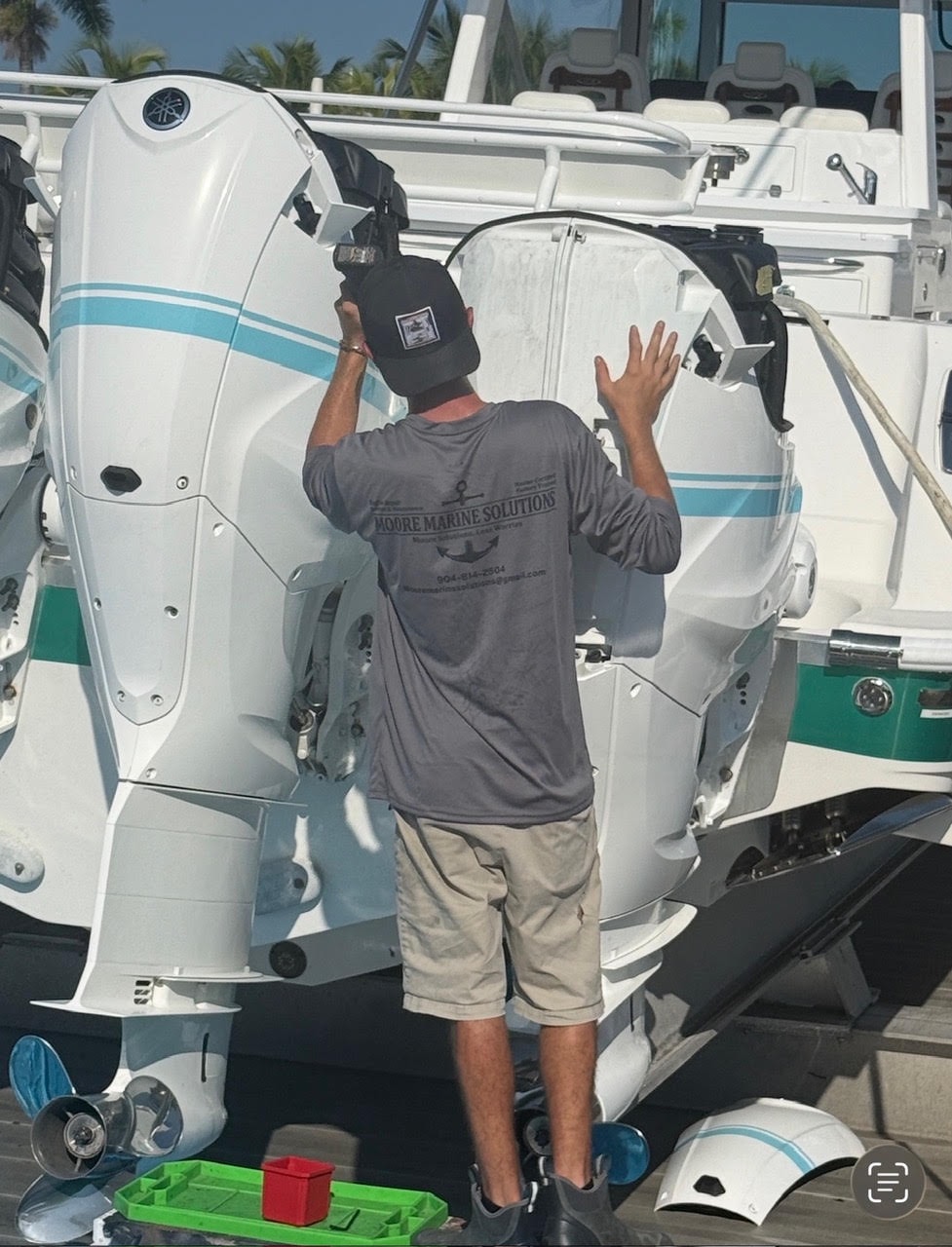
Every finding is photographed and labeled. These are actual images from Moore Marine inspections — the kind of documentation that goes into every report.
Report Structure
Every report follows the same six-section format so findings are easy to locate and act on.
Vessel & Engine Overview
Make, model, year, serial numbers, engine hours, and general condition summary. Establishes the baseline for all findings.
Fuel System
Fuel lines, filters, injectors or carburetors, tanks, and venting. Includes leak checks and fuel delivery pressure readings.
Cooling & Exhaust
Raw water pump, heat exchangers, thermostats, impeller condition, exhaust manifolds, and riser inspection.
Compression & Power
Cylinder-by-cylinder compression readings, ignition system, valve train condition, and power output assessment.
Electrical & Instrumentation
Wiring harness, battery connections, gauges, alarms, and control systems. Checks for corrosion, chafe, and proper grounding.
Findings & Recommendations
All deficiencies ranked by severity — Safety Critical, Maintenance Required, or Monitor — with recommended corrective actions and estimated urgency.
Example Findings
These are representative findings from real inspections — the kind of issues that affect safety, reliability, and resale value.
Cracked fuel line at the port engine fuel rail — active seepage detected. Immediate replacement required before vessel is operated.
Starboard exhaust riser showing heavy corrosion and pinhole breach. Risk of exhaust gas intrusion into bilge. Replace before next use.
Raw water impeller blades brittle and beginning to fracture. Replacement recommended within 20 engine hours to prevent overheating.
Cylinder 3 compression reading 15% below adjacent cylinders. Consistent with worn rings or valve seat wear. Further investigation recommended.
Minor surface corrosion on battery terminal connections. Clean and apply dielectric grease at next service interval.
Port engine mounts showing early rubber degradation. No immediate action required — re-inspect at 100-hour service.
Ready for Your Own Report?
Schedule an inspection and get the same level of documentation for your vessel — wherever it is on the East Coast.